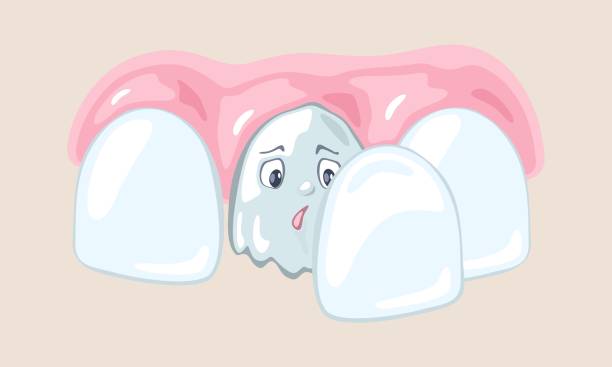
Have you ever wondered whether a damaged tooth needs a simple filling or something stronger? A tooth can sometimes look fine on the outside while being weakened underneath. Cracks, large cavities, worn enamel, and previous dental work can gradually reduce a tooth’s strength. In these situations, dental crowns in el paso can provide protection by covering the visible portion of the tooth and restoring its shape, strength, and function. But how do you know when a crown is actually necessary?
A dental crown is a custom-made restoration that fits over a prepared tooth. It is designed to protect the remaining tooth structure while allowing you to chew and speak comfortably. Crowns can be made from materials such as porcelain, ceramic, zirconia, or metal-based materials, depending on the tooth’s location and individual needs.
Unlike a filling, which repairs a specific area of damage, a crown covers most or all of the visible portion of a weakened tooth.
A small or moderate cavity can often be repaired with a filling. However, when decay affects a large portion of the tooth, there may not be enough healthy structure remaining to support a traditional filling.
A crown may be recommended when the tooth has lost significant strength. Covering the tooth can help protect it from additional damage and restore normal function.
Cracks and fractures are common reasons for considering a crown. A tooth may become damaged from an injury, biting something hard, grinding, or general wear over time.
If a crack compromises the tooth’s structure but the tooth can still be restored, a crown may help hold the remaining structure together. However, treatment depends on the location and severity of the crack. Some fractures may require different treatment, while severe damage extending below the gumline may make the tooth difficult or impossible to save.
Teeth that have undergone root canal treatment may sometimes require additional protection. Removing infected tissue from inside the tooth can leave the tooth more vulnerable to fracture, particularly when substantial tooth structure has already been lost.
For this reason, a crown is often considered for root canal-treated teeth, especially back teeth that experience significant chewing forces. Your dental professional can determine whether the remaining structure requires this additional protection.
An older filling does not automatically mean that a crown is needed. However, if a large filling begins to fail or the surrounding tooth becomes weakened, replacing it with a crown may be an option.
Signs such as sensitivity, discomfort when chewing, visible cracks, or a damaged filling should be evaluated rather than ignored. Early examination can help determine whether the tooth can still be restored conservatively.
If you notice persistent tooth sensitivity, pain when biting, visible cracks, a broken tooth, or repeated problems with a large filling, schedule an examination. A ****dentist in el paso can evaluate the tooth, review its condition, and use dental X-rays when necessary to understand the extent of the damage.
The goal is not simply to place a crown but to preserve as much healthy tooth structure as possible while choosing an appropriate restoration.